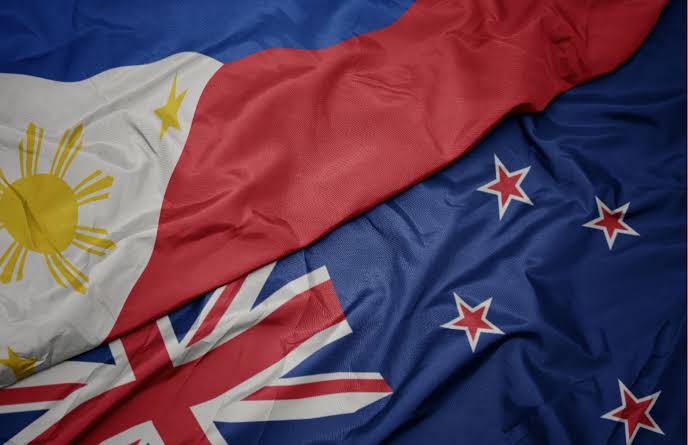

September is now over but it is not too late to recognize Australian Citizenship Day, a time to celebrate the diversity and multiculturalism that define Australia. For businesses with offshore operations in countries like the Philippines, embracing this diversity can be a powerful tool for transformation. In a globalized world, where teams span different cultures and continents, fostering cultural understanding is not just a nicety—it’s a necessity.
The Importance of Multiculturalism in Offshoring
Multiculturalism brings a wealth of perspectives, ideas, and approaches to problem-solving. In offshoring operations, this diversity can be harnessed to drive innovation, improve decision-making, and create more effective teams. However, without a deliberate effort to embrace and integrate different cultures, companies risk facing communication breakdowns, misunderstandings, and a lack of cohesion.
In the context of Australian companies with operations in the Philippines, cultural understanding can lead to better collaboration, increased trust, and a more harmonious working environment. By recognizing and valuing the unique contributions of each team member, regardless of their cultural background, companies can build stronger, more resilient teams.
Strategies for Fostering Multicultural Understanding
To successfully integrate multiculturalism into offshoring strategies, companies need to implement deliberate and ongoing initiatives. Here are a few strategies:
- Cultural Sensitivity Training: Regular training sessions can help team members understand and appreciate different cultural norms and practices. This is particularly important in bridging the gap between Australian and Filipino work cultures.
- Exchange Programs: Facilitating exchange visits between Australian headquarters and offshore teams in the Philippines can help build relationships and foster mutual understanding.
- Cultural Celebrations: Recognizing and celebrating cultural holidays and events from both countries can create a more inclusive environment. For example, celebrating both Australia Day and key Filipino holidays like Independence Day can reinforce a sense of shared identity.
Overcoming Challenges
While multiculturalism offers many benefits, it also presents challenges. Miscommunication, differing work styles, and conflicting expectations can all arise when working across cultures. It’s important to address these challenges head-on through open communication, clear expectations, and a commitment to understanding.
One common issue is differing approaches to hierarchy and authority. In some cultures, like the Philippines, there may be a greater emphasis on respecting authority and hierarchy, which can lead to hesitation in voicing opinions or challenging ideas. Australian companies can address this by encouraging open dialogue and creating a safe space for all team members to share their thoughts.
Embracing multiculturalism in offshoring strategies is not just about being inclusive; it’s about harnessing the full potential of a diverse workforce to drive transformation. As we celebrate Australian Citizenship Day, it’s a reminder that the strength of a nation—and a company—lies in its ability to bring together people from different backgrounds and cultures to work towards a common goal. By fostering cultural understanding and integration, Australian companies with offshore operations in the Philippines can create more cohesive, innovative, and successful teams.
This post is originally posted on LinkedIn by Mark Christian Bentijaba.